
Your car’s braking system is its most critical safety feature. Whether you’re commuting in heavy traffic, driving through steep mountain roads, or making an emergency stop, your brakes must work flawlessly to keep you safe. But not all brake components are created equal.
Many drivers cut costs by opting for cheap or low-quality brake parts, only to face premature wear, poor performance, or even brake failure. Investing in high-quality brake parts can mean the difference between a smooth stop and a dangerous accident.
In this guide, we’ll explore:
- Why brake quality matters and how it affects your driving experience
- The top benefits of using premium brake components
- Real-world examples of how quality brakes improve safety and longevity
- How to choose the best brake parts for your vehicle
By the end, you’ll understand why investing in quality brake parts is a decision that pays off in safety, performance, and cost savings.
What Makes a Brake Part High-Quality?
Before we dive into the benefits, let’s define what makes a brake component high-quality:
- Durable Materials: Quality brake pads and rotors use premium materials like ceramic, carbon fiber, or high-performance metallic compounds that withstand high temperatures and pressure.
- Precision Engineering: High-quality brake components are manufactured to OEM (Original Equipment Manufacturer) standards, ensuring a perfect fit and better performance.
- Advanced Heat Dissipation: Superior brake rotors and pads are designed to resist overheating, preventing brake fade and maintaining stopping power.
- Reliable Performance in All Conditions: Premium brake parts function well in rain, snow, and extreme temperatures, reducing risks on slippery roads.
Now that we know what sets quality brake parts apart, let’s look at why investing in them is a smart decision.
Enhanced Safety and Shorter Stopping Distances
When it comes to brakes, safety is the top priority. Quality brake parts provide better stopping power, reducing the distance required to bring your vehicle to a halt.
Why It Matters:
- Low-quality brake pads may not grip the rotor effectively, increasing stopping distance.
- High-quality rotors dissipate heat efficiently, preventing brake fade and maintaining strong braking force.
- Premium brake fluid and hoses ensure consistent hydraulic pressure, preventing spongy brakes.
Real-World Example:
A 2021 study by the National Highway Traffic Safety Administration (NHTSA) found that vehicles with high-performance brake pads had a 20% shorter stopping distance than those using budget alternatives, significantly reducing accident risks.
Increased Durability and Longer Lifespan
Investing in premium brake parts means less frequent replacements and fewer trips to the mechanic. Cheap brake pads wear out quickly, while high-quality pads last up to 50,000 miles under normal driving conditions.
Why It Matters:
- Ceramic or semi-metallic brake pads last longer than organic pads and provide consistent performance.
- High-quality rotors resist warping and cracking, reducing premature replacements.
- Better heat dissipation means less wear and tear on the entire braking system.
Case Study:
A fleet of delivery trucks switched from budget brake pads to premium ceramic brake pads and saw a 40% increase in brake lifespan, reducing replacement costs and downtime.
Better Performance in Extreme Conditions
If you frequently drive in wet, icy, or mountainous conditions, premium brake parts can make a huge difference.
Why It Matters:
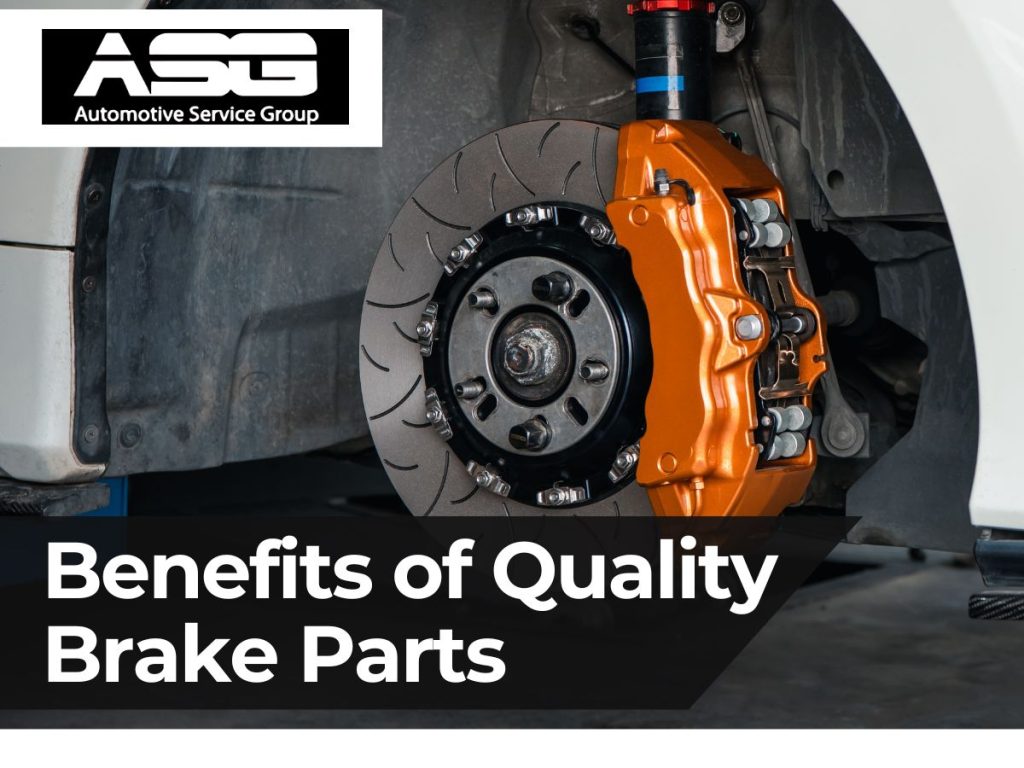
- Slotted or drilled rotors improve water dispersion, preventing brake failure in wet conditions.
- High-quality brake pads maintain grip even in freezing temperatures, reducing skidding risks.
- Performance brakes handle steep descents better, making them ideal for towing or mountain driving.
Example:
A driver who upgraded to performance-grade brake pads for their SUV noticed improved braking power in snowy conditions, reducing skidding on icy roads.
Reduced Brake Fade for Consistent Braking
Brake fade occurs when brakes overheat, reducing their ability to stop the vehicle. This is common in downhill driving, heavy traffic, or aggressive braking.
Why It Matters:
- High-performance rotors dissipate heat faster, maintaining consistent braking power.
- Premium brake fluid resists boiling, preventing a loss of hydraulic pressure.
- Better ventilation and slot designs in rotors help cool down brakes efficiently.
Cost Savings Over Time
While high-quality brake parts cost more upfront, they save money in the long run by reducing repair costs and extending the lifespan of the braking system.
Why It Matters:
- Fewer replacements mean lower maintenance costs.
- Quality brake parts protect other components (like calipers and rotors), preventing expensive repairs.
- Reduced risk of accidents lowers insurance costs and unexpected repair bills.
Example:
A performance sedan owner who switched to premium brake rotors and ceramic pads reported spending 30% less on brake maintenance over five years.
How to Choose the Right Brake Parts for Your Vehicle
1. Consider Your Driving Habits
- Daily Commuter? Standard ceramic or semi-metallic pads work well.
- Towing or Off-Roading? Heavy-duty or performance-grade brake parts are ideal.
- Racing or High-Performance Driving? Carbon-fiber ceramic brakes offer the best performance.
2. Check Compatibility with Your Vehicle
Always choose OEM or high-quality aftermarket parts that match your vehicle’s specifications.
3. Look for Trusted Brands and Certifications
Ensure brake parts meet industry standards like DOT, SAE, or NHTSA certification for safety and reliability.
Conclusion: Quality Brakes Keep You Safer and Save You Money
Investing in high-quality brake parts ensures better safety, longer-lasting components, and superior braking performance in all conditions. While they may cost more upfront, the long-term benefits—including fewer replacements, reduced maintenance costs, and enhanced driving safety—make them a smart investment for any vehicle owner.
If you’re looking for better stopping power, reliability, and savings in the long run, upgrading to premium brake parts is the best decision you can make.
Want to learn more about brake maintenance and upgrades? Explore expert tips, such as ‘When to Service Brake Lines’, to keep your braking system in top shape! 🚗
Frequently Asked Questions (FAQs)
1. Are expensive brake parts really worth it?
Yes! High-quality brake components offer better safety, durability, and performance, making them a smart long-term investment.
2. How often should I replace my brake pads?
Brake pad lifespan varies, but premium pads last between 30,000 to 50,000 miles, depending on driving conditions.
3. What’s the best type of brake pad for daily driving?
Ceramic brake pads are ideal for daily drivers due to their longevity, low dust production, and quiet operation.
4. Can I mix different brands of brake parts?
It’s best to use matching brands for brake pads and rotors to ensure compatibility and optimal performance.
5. Do high-performance brakes require special maintenance?
Yes. Performance brake systems may require more frequent inspections and specialized brake fluid to maintain peak efficiency.
